

| Herkunftsort: | Jiangsu-Provinz, China |
|---|---|
| Markenname: | WEIHE |
| Zertifizierung: | Can be customized according to customer requirements |
| Modellnummer: | WHZY-RPET PU 140 |
| Min Bestellmenge: | 1 Rolle pro SKU (ca. 50/100 Yards). Kleinere Mengen sind als geschnittene Stücke zu unterschiedliche |
| Preis: | Depends on the specific color and quantity. |
| Verpackung Informationen: | Rollenverpackung in Plastiktüte. |
| Lieferzeit: | Für Lager: 1-3 Tage; Für Sonderanfertigungen: 25-30 Tage (abhängig von unterschiedlichen Anforderung |
| Zahlungsbedingungen: | Vollständige Zahlung für kleine Bestellung; 30 % Anzahlung, 70 % Restbetrag vor Versand bei Mengenbe |
| Versorgungsmaterial-Fähigkeit: | 3 Millionen Meter pro Monat |
| Mindestbestellmenge: | 1 Rolle pro SKU (ca. 50/100 Yards). Kleinere Mengen sind als geschnittene Stücke zu unterschiedliche | Breite: | 58 Zoll; 147 cm |
|---|---|---|---|
| Inhalt: | 100% RPET | Dichte: | 300D |
| Gewicht: | 130 g/m² | Dicke: | 0,3 mm |
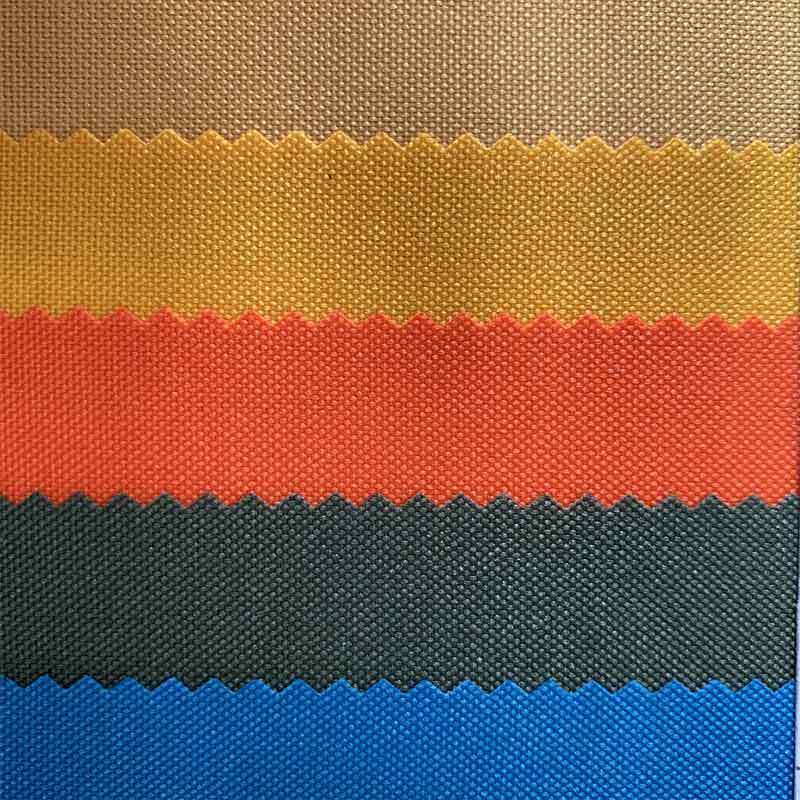
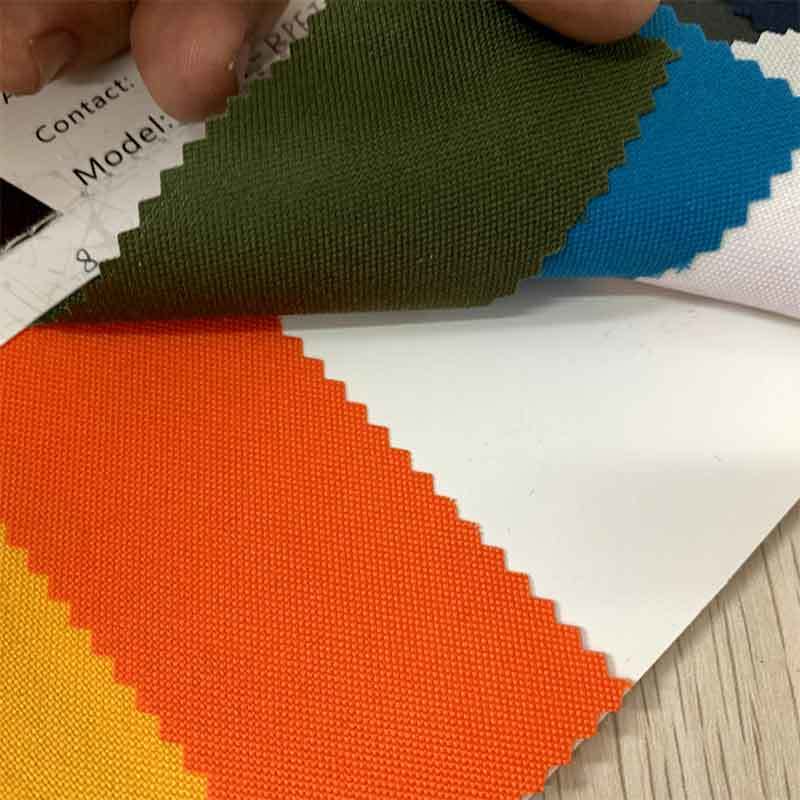
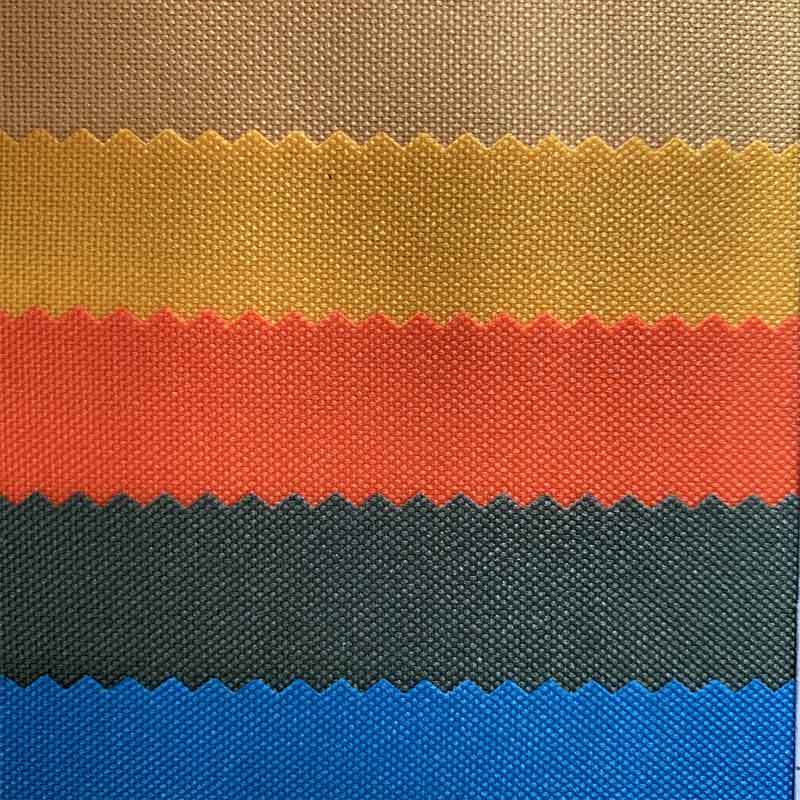
| Oberflächenstil: | 300D kompaktes Gewebe mit hoher Dichte (3×2-103T), PU-beschichtet | Besonderheit: | Hochdichtes Kompaktgewebe, leichte, wasserdichte PU-Beschichtung, 100 % recyceltes Polyester, dichte |
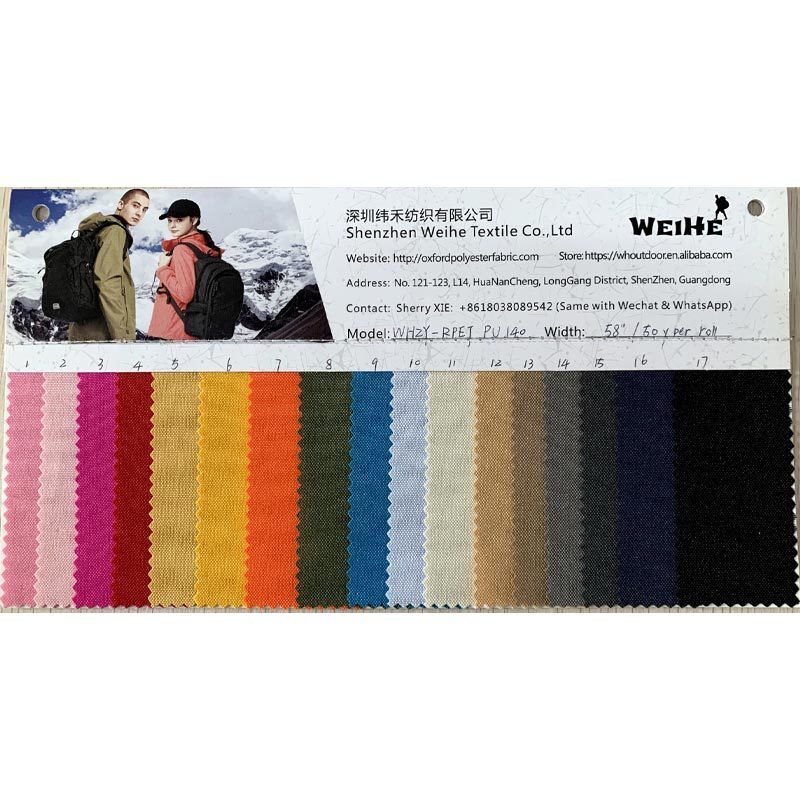
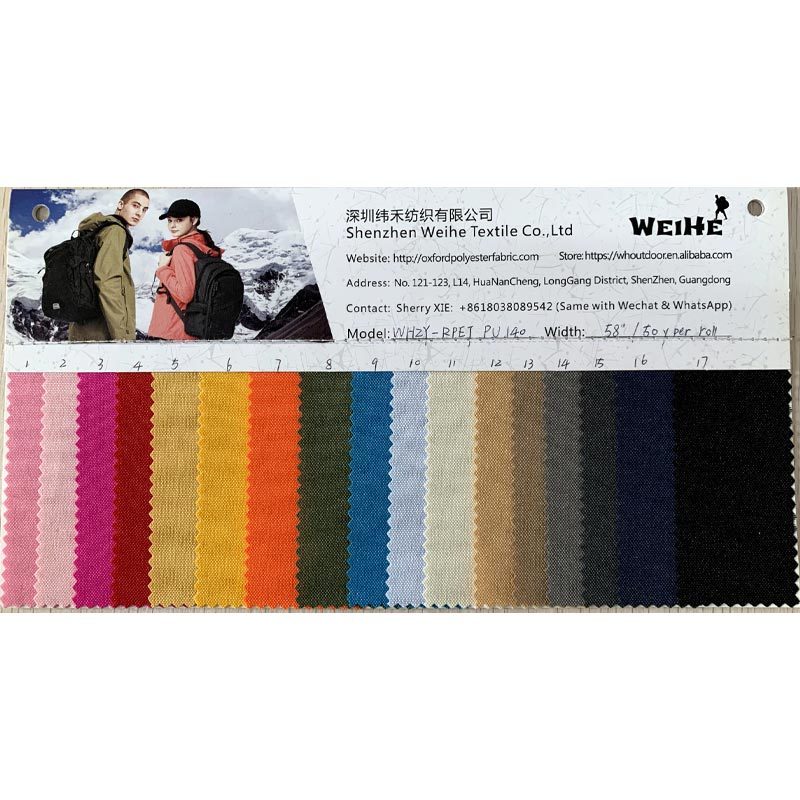
| Verwendung: | Dünne Freizeittaschen, Innenfuttereinsätze, leichte Tragetaschen, packbare Taschen, Öko-Beutel | Farbe: | Wie auf den Farbkarten gezeigt, willkommene Farbanpassung. (Haftungsausschluss – Die tatsächliche Fa |

Dieser 300D rPET-Oxford-Gewebe mit hoher Dichte verwendet eine kompakte 3×2-103T-Weave-Konstruktion und erzielt trotz seines leichten 130 g/m2 Profils eine enge, glatte Oberfläche.Die hohe Fadenzahl erzeugt ein dichteres Gewebe als Standard 300D Oxford, was zu einer geringeren Luftdurchlässigkeit und einer raffinierteren Oberflächenbeschichtung führt.
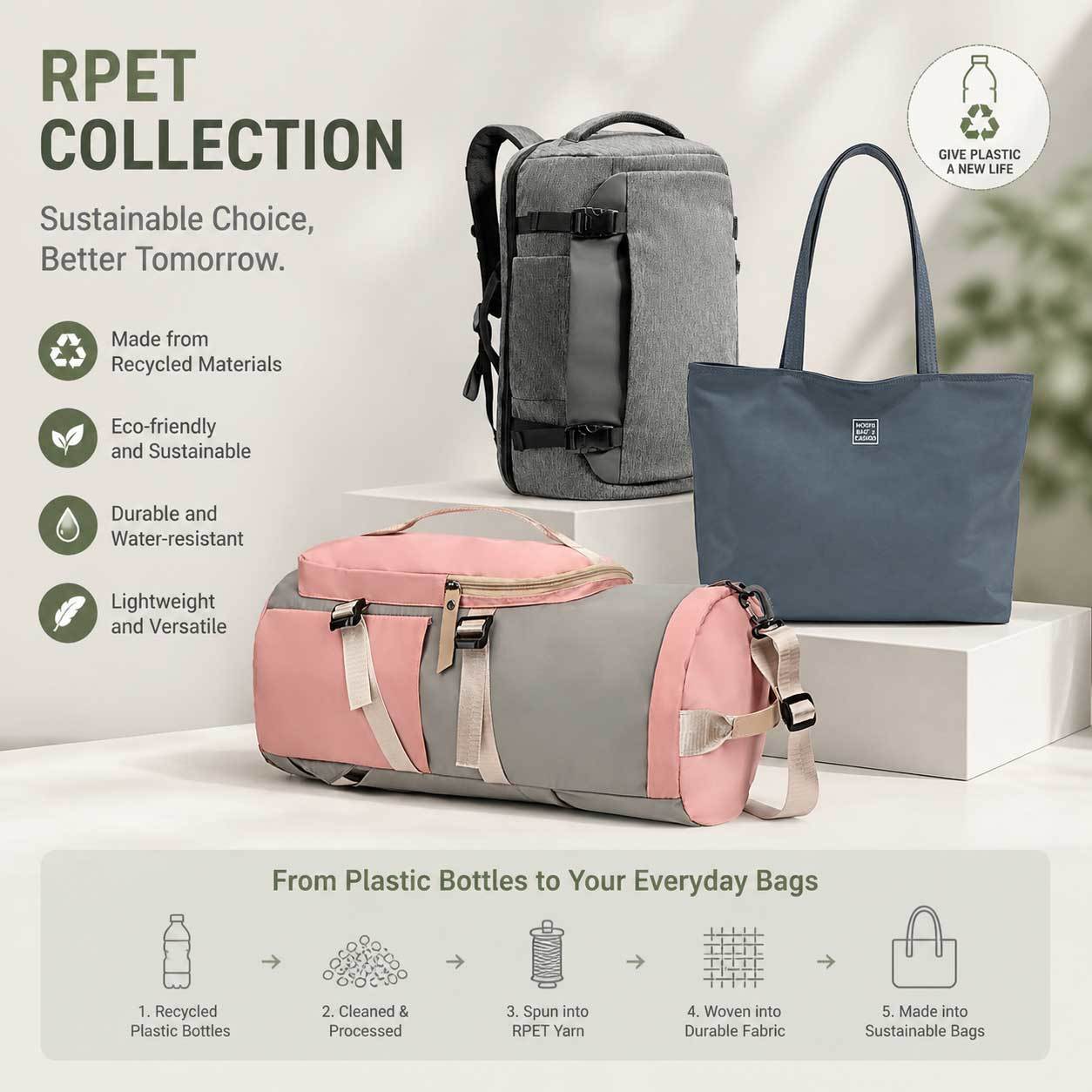
Hergestellt aus 100% recyceltem PET-Garn mit einer Breite von 147 cm. Geeignet für Anwendungen, die einen engen, glatten, leichten Stoff mit nachhaltigen Materialien erfordern.
Häufig gestellte Fragen
Die hohe Dichte bezieht sich auf die Anzahl der Fäden pro Flächenstück, nicht auf das Gewicht des Stoffes.Das Ergebnis ist eine engere, eine glattere Oberfläche trotz des geringen Gewichts von 130 g/m2.
2Wie verglichen wir das mit einem Standard 300D Oxford?
Standard 300D Oxford hat typischerweise ein offeneres Gewebe. Diese kompakte Version hat eine höhere Gewindedichte, eine glattere Oberfläche, geringere Luftdurchlässigkeit,und ein raffinierteres Aussehen bei ähnlichem Gewicht.
3. Für welche Anwendungen ist dieser Stoff am besten geeignet?
4Sind Proben verfügbar?
5Welche RPET-Dokumentation können Sie bereitstellen?